English


Odisha to Plant Mangroves in Coastal Village to Mitigate Cyclone Impacts, Arrest Soil Erosion

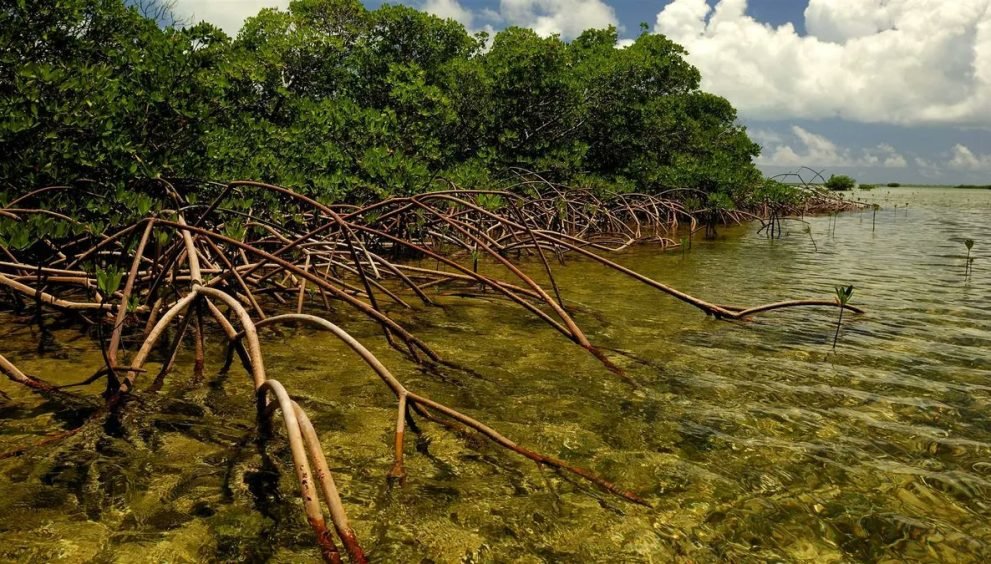
In a proactive measure to combat the adverse effects of cyclones and prevent soil erosion, the Odisha Forest Department has announced a new mangrove plantation drive in the coastal village of Purunabandh in Ganjam district. This initiative aims to bolster the region’s natural defenses against extreme weather events, officials revealed on Wednesday.
The plantation drive is set to take place in Purunabandh, a village situated near the mouth of the Rushikulya river, within the Khallikote range of the Berhampur forest division. Approximately 15,000 mangrove saplings will be planted across a six-hectare area under the United Nations Development Programme (UNDP)-funded Enhancing Climate Resilience of India’s Coastal Communities (ECRICC) project.
Sunny Khokkar, Divisional Forest Officer (DFO) of Berhampur and the project’s nodal officer, emphasized the importance of this initiative. “Mangroves serve as vital barriers against cyclones and help in reducing soil erosion. This plantation drive will significantly enhance the coastal resilience of Purunabandh and its surrounding areas,” Khokkar stated.
The ECRICC project aims to improve the resilience of coastal communities in India to climate change impacts by restoring and conserving coastal ecosystems. The mangrove plantation in Purunabandh is part of a broader strategy to utilize natural solutions for disaster risk reduction and environmental sustainability.
The Odisha Forest Department’s efforts are expected to provide long-term benefits to the local community by protecting their livelihoods and properties from the destructive forces of nature. By enhancing the green cover along the coastline, the state aims to create a sustainable and resilient environment for future generations.