
 English


Cabinet Approves Expansion of Medical Education

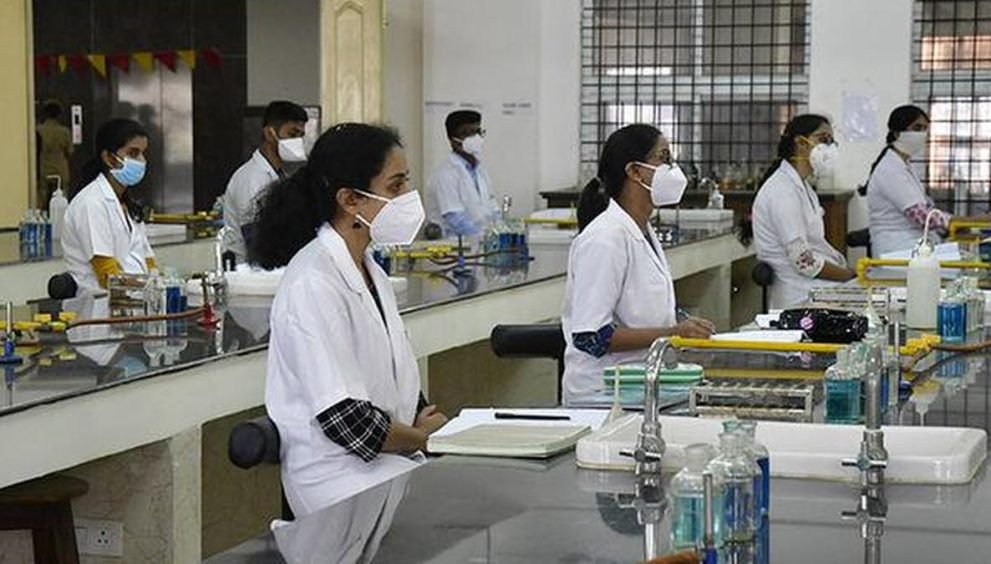
Cabinet Approves Expansion of Medical Education Capacity; Over 10,000 New Seats to be Added by 2029
In a significant step towards strengthening India’s healthcare system, the Union Cabinet chaired by Prime Minister Narendra Modi has approved Phase-III of the Centrally Sponsored Scheme (CSS) to expand medical education capacity across the country.
The scheme will create 5,000 new postgraduate (PG) seats and extend support for 5,023 additional MBBS seats in existing state and central government medical colleges, standalone PG institutes, and government hospitals. The move comes with an enhanced cost ceiling of ₹1.5 crore per seat, reflecting the government’s commitment to improving access to quality healthcare and specialist doctors.
The total financial outlay for these initiatives is ₹15,034.50 crore for the period 2025–26 to 2028–29, of which the central share is ₹10,303.20 crore and the state share is ₹4,731.30 crore.
Benefits and Impact
The expansion is expected to:
- Increase opportunities for students to pursue medical education in India.
- Enhance availability of doctors and specialists, especially in underserved rural and remote areas.
- Improve healthcare accessibility and strengthen resilience of the national health system.
- Generate direct and indirect employment for doctors, faculty, paramedical staff, researchers, and support services.
- Promote India as a global hub for affordable healthcare and boost foreign exchange earnings.
- Ensure balanced regional distribution of healthcare infrastructure.
Implementation Strategy
By 2028–29, the schemes aim to add a total of 10,023 seats (5,000 PG + 5,023 UG) across government medical institutions. The Ministry of Health & Family Welfare will issue detailed implementation guidelines.
Background
India currently has 808 medical colleges, the highest in the world, with an intake capacity of 1.23 lakh MBBS seats. In the past decade alone, the country has added 69,352 MBBS seats (127% growth) and 43,041 PG seats (143% growth).
Despite this rapid progress, certain regions still face shortages of doctors and specialists. The Cabinet’s latest decision is aimed at bridging this gap, ensuring equitable access to medical education, and building a robust healthcare workforce to serve India’s 1.4 billion population.
The government also highlighted the contribution of 22 new AIIMS established under the Pradhan Mantri Swasthya Suraksha Yojana and recent reforms in faculty eligibility norms, aimed at expanding the pool of qualified medical educators.
This initiative, officials said, will not only meet the growing healthcare needs of the population but also reinforce India’s position as a leader in global healthcare and medical education.

