English


Air Pollution Linked to Premature Birth Risk

Study Uncovers How Air Pollution Increases Risk of Premature Births
A new study has revealed the biological mechanism through which exposure to fine particulate matter (PM2.5) in air pollution raises the risk of premature birth in pregnant women. The findings deepen scientific understanding of how environmental factors affect maternal and fetal health.
Conducted by researchers at Emory University in the United States, the study focused on 330 African American pregnant women residing in the Atlanta metropolitan area. The research aimed to explore the physiological pathways linking air pollution to early labor.
According to the study, women who lived in central urban areas like downtown and midtown Atlanta — where multiple highways intersect and traffic density is high — experienced significantly higher levels of PM2.5 exposure over a year, compared to those living on the outskirts.
The researchers collected and analysed blood samples to track biological changes, including markers of inflammation and immune response. They found that chronic exposure to PM2.5 may disrupt immune system regulation and trigger inflammation, which can in turn lead to premature labor.
“Understanding the biological process is key to developing interventions and policy decisions,” the researchers noted. The study not only sheds light on health disparities driven by geography and pollution, but also highlights the need for cleaner urban environments, especially for vulnerable populations like pregnant women.
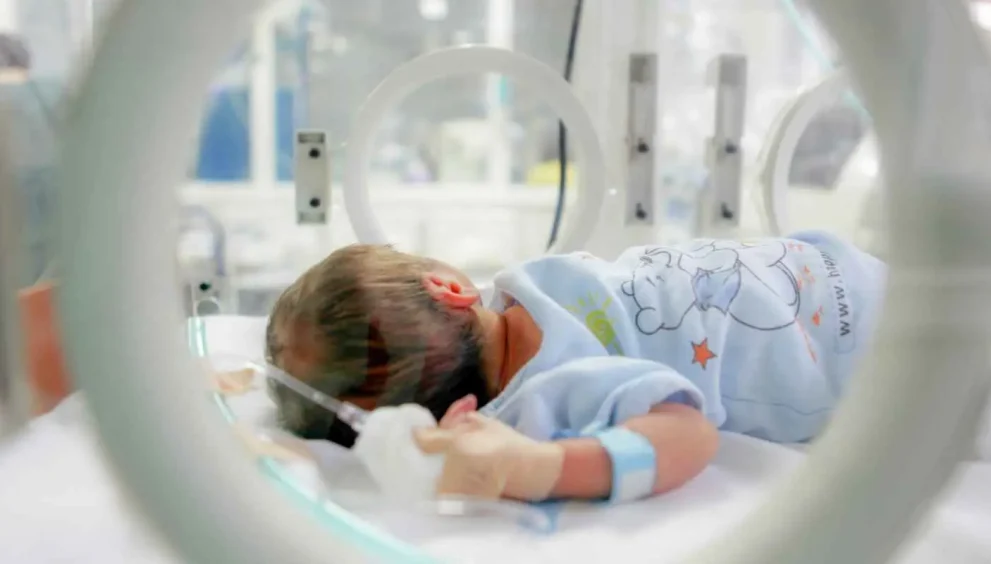
Premature birth — defined as delivery before 37 weeks of pregnancy — is a leading cause of neonatal death and long-term health complications. This study reinforces calls from health experts and environmental advocates to strengthen air quality standards and reduce exposure to harmful pollutants.
The findings come at a time when urban areas around the world, including major Indian cities, are grappling with severe air quality issues, prompting renewed urgency to address the health impacts of pollution.