English


Dr. Mandaviya Inaugurates APMU at NDTL

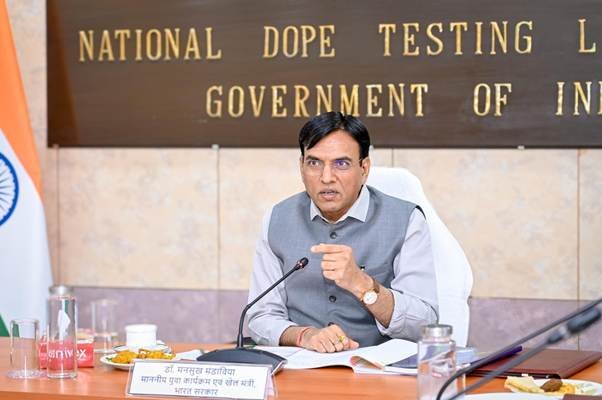
Union Minister Dr. Mansukh Mandaviya Inaugurates Athlete Passport Management Unit at NDTL
Union Minister of Youth Affairs & Sports, Dr. Mansukh Mandaviya, inaugurated the Athlete Passport Management Unit (APMU) at the National Dope Testing Laboratory (NDTL) in New Delhi today, reinforcing India’s commitment to promoting clean and transparent sports practices. This initiative marks a significant step in the nation’s ongoing fight against doping in sports.
The APMU is designed to monitor and manage the biological passports of athletes, aligning with the World Anti-Doping Agency (WADA) guidelines. The Athlete Biological Passport (ABP) system, which tracks an athlete’s biological markers such as blood and steroid profiles over time, will help detect doping patterns and maintain the integrity of sports.
Speaking during the event, Dr. Mandaviya emphasized the importance of the APMU in ensuring fairness in sports, saying, “The APMU is a key milestone in India’s fight against doping, enabling the longitudinal tracking of athlete biological profiles. This system will help identify unethical practices and protect the fairness of sports.”
The minister also highlighted the potential of APMU to support the Global South, stating that the unit will assist neighboring countries that lack the resources to establish similar anti-doping systems. “By sharing knowledge and tools, India can support these nations in keeping their sports free from unfair practices. This initiative demonstrates the spirit of solidarity and contributes to strengthening sports integrity across the Global South,” Dr. Mandaviya added.
The launch of the APMU marks India’s growing role in the global fight against doping. This is the 17th such unit in the world and the first in India, placing the country at the forefront of anti-doping efforts. The APMU will track and analyze data on blood and steroidal profiles, helping to detect any abnormalities that may suggest doping, thus ensuring a level playing field in sports.
Dr. Mandaviya also emphasized the need for greater involvement of sports federations, organizations, and educational institutions in promoting awareness of doping prevention, particularly in rural areas. He called for scientists working in laboratories to engage with students in schools and universities, sensitizing them about the dangers of doping and the importance of clean sport.
The event was attended by several dignitaries, including Smt. Sujata Chaturvedi, Secretary (Sports), Shri Kunal, Joint Secretary (Sports), and Prof. (Dr.) P. L. Sahu, Director & CEO(I/c), NDTL, among others.
The concept of the Athlete Biological Passport (ABP) was developed by the World Anti-Doping Agency (WADA) to monitor blood markers that can detect irregularities indicative of doping. The APMU will play a crucial role in implementing and monitoring this system, ensuring that athletes are held to the highest standards of fairness and integrity in sports.
India’s establishment of the APMU reflects its dedication to maintaining the credibility of clean athletes and setting a global benchmark for ethical sports practices.