English
Gadkari Chairs Annual Meet of Transport Ministers

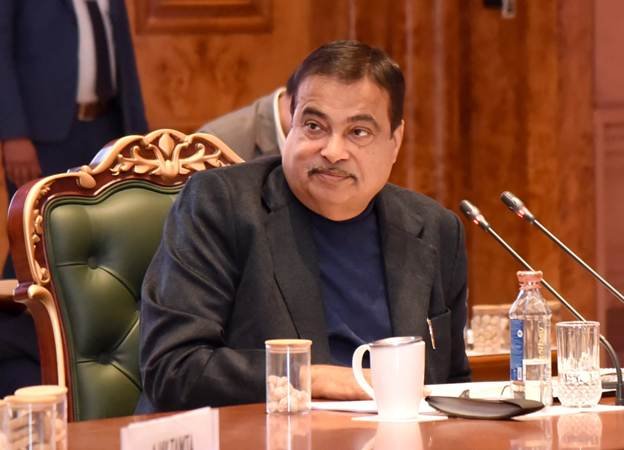
Gadkari Stresses Cooperative Federalism at Annual Meet of Transport Ministers
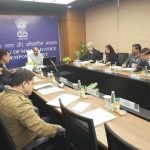
Union Minister for Road Transport and Highways Shri Nitin Gadkari on Wednesday underscored the importance of regular consultations between the Centre and States to ensure policy alignment, strengthen cooperative federalism and deliver safe, efficient and citizen-centric transport solutions across the country.
Chairing the Annual Meeting of Transport Ministers from all States and Union Territories in New Delhi, Shri Gadkari said that since transport is a Concurrent Subject under the Constitution, close coordination between the Union and State governments is essential for effective implementation of reforms. The meeting focused on key issues including road safety, passenger convenience, ease of doing business and automobile regulations.
The deliberations were held over a two-day workshop on January 7 and 8 at Bharat Mandapam. The first day featured discussions with Transport Secretaries of States and UTs under the chairmanship of Secretary, Road Transport and Highways, Shri V. Umashankar. The second day was chaired by Shri Gadkari, during which ideas from the earlier session were further expanded with State Transport Ministers, with special emphasis on road safety and the Road Safety Pledge. The programme concluded with the 43rd Transport Development Council (TDC) meeting, where inputs from transport organisations and industry bodies were discussed.
During the workshop, States reviewed progress on digitisation and standardisation of transport services under the Vahan and Sarathi platforms, with a focus on reducing physical visits, improving data quality and ensuring secure data-sharing. Proposed amendments to the Motor Vehicles Act, including Jan Vishwas 2.0 provisions, were discussed to enhance regulatory clarity, decriminalise minor offences and strengthen road safety.
Comprehensive discussions were also held on reducing road fatalities through safer infrastructure, improved enforcement and post-crash care, including the rollout of the cashless treatment scheme for accident victims and adoption of e-DAR as a single accident data reporting system. Other key areas included vehicular safety standards, phased introduction of Advanced Driver Assistance Systems (ADAS), district-level road safety initiatives, sustainable transport, vehicle scrapping policy, emissions control under PUCC 2.0, intelligent transport systems, e-enforcement, and driver training and capacity building.
The Sadak Suraksha Mitra programme, aimed at engaging trained youth volunteers in road safety initiatives at the district level, was also reviewed as a key intervention to curb road fatalities.
Concluding the workshop, Shri Gadkari called for a cohesive and forward-looking vision for India’s road transport sector, stating that collaborative efforts between the Centre, States and stakeholders will lay the foundation for a safer, sustainable and modern transport system that meets the needs of every citizen.