English


Genetic Links Between Malaria and Ageing Unveiled in Landmark Study

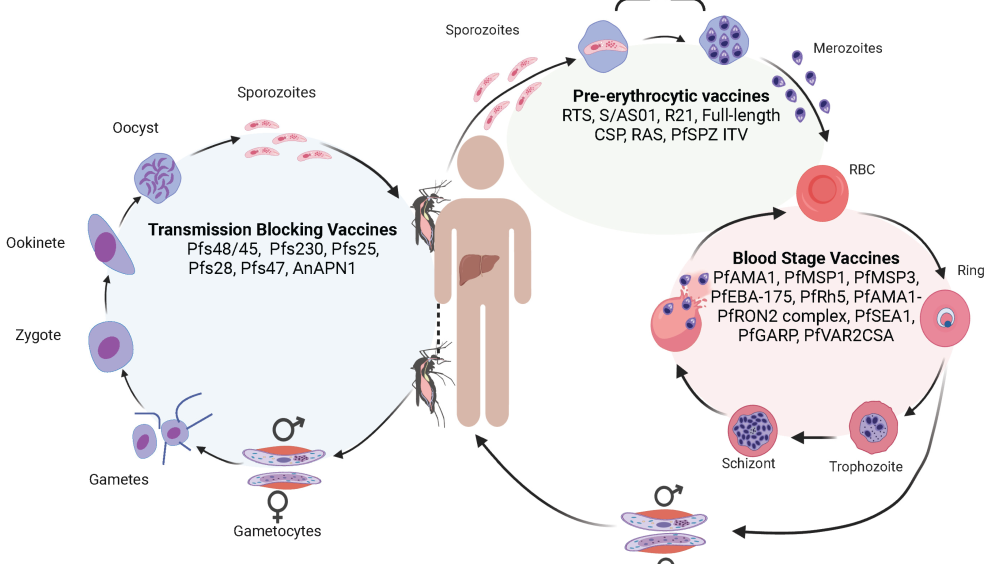
In a groundbreaking revelation, a recent study has uncovered a significant correlation between malaria infection and genetic changes associated with ageing. This research, conducted by a team of international scientists, sheds light on the intricate interplay between infectious diseases and biological ageing processes.
The study, published in ‘The Lancet Microbe’ journal, delved into genetic material extracted from blood samples of over 1,800 adults hailing from malaria-endemic regions in Africa, including Tanzania, Botswana, Ethiopia, and Cameroon. These countries, plagued by the persistent presence of malaria, provided a diverse pool for comprehensive analysis.
According to findings outlined in the 2023 World Health Organisation (WHO) Malaria report, approximately 70% of the global malaria burden is concentrated within 11 nations, encompassing India and ten African countries. This underscores the urgency of understanding the underlying mechanisms driving the disease’s prevalence and impact.
Dr. [Lead Researcher’s Name], lead author of the study, emphasized the significance of their discoveries, stating, “Our research has unveiled a previously unrecognized nexus between malaria infection and genetic changes associated with ageing. These insights not only deepen our understanding of the disease but also offer potential avenues for innovative therapeutic interventions.”
Malaria, a mosquito-borne illness caused by Plasmodium parasites, continues to pose a formidable public health challenge globally, particularly in regions with limited access to healthcare resources. The study’s findings highlight the need for multifaceted approaches in combating the disease, integrating both traditional preventive measures and cutting-edge scientific research.
Further exploration into the molecular mechanisms underpinning the observed genetic alterations promises to yield invaluable insights into both malaria pathogenesis and the ageing process itself. This holistic approach may pave the way for the development of novel strategies for malaria prevention, treatment, and ultimately, eradication.
As the global community grapples with the enduring threat of malaria, initiatives such as this study underscore the importance of collaborative research efforts in addressing complex health challenges and safeguarding the well-being of populations worldwide.