

Indian Coast Guard on Thursday began airlifting stranded people from flood- and landslide-hit Ganjam district as the Odisha government intensified rescue operations following Cyclone Arnab. The state has deployed 79 teams from various disaster response agencies across two districts, officials said.
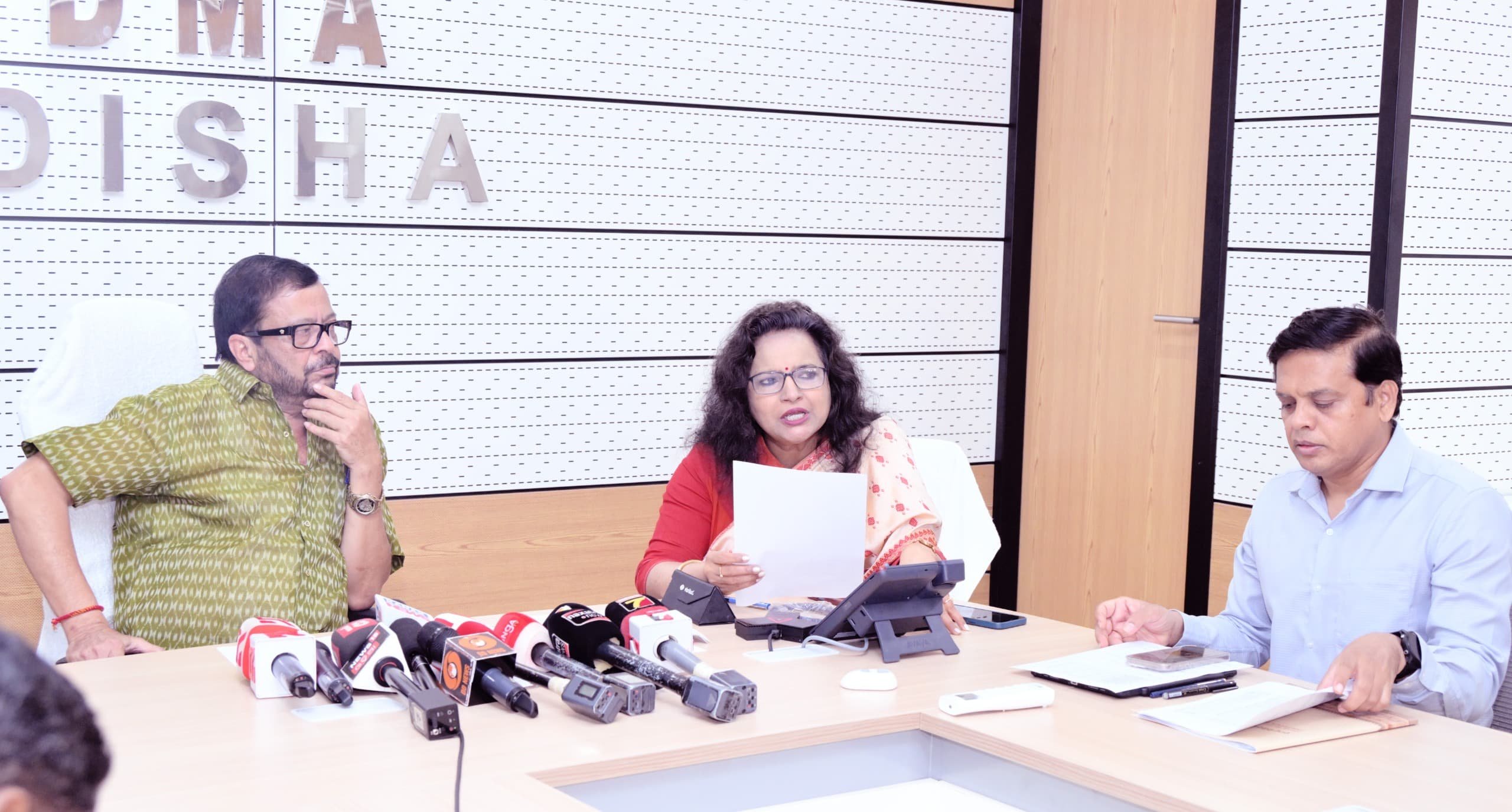
Chief Secretary Anu Garg said around 300 villages in Ganjam district had been affected by floods, with 70 villages remaining marooned. The state government was coordinating with the Union Home Ministry to facilitate air evacuations and provide assistance to people trapped by the disaster.
With road and rail connectivity disrupted, aerial rescue operations have become crucial for reaching affected areas. A national highway has been washed away, while train services have also been disrupted, creating additional challenges for rescue and relief efforts.
Special Relief Commissioner (SRC) Rajesh P Patil said an Indian Coast Guard helicopter completed its first sortie on Thursday afternoon. Further sorties were being undertaken to continue rescue operations and evacuate people from inaccessible locations.
The deployment of 79 rescue teams across two districts is aimed at accelerating emergency response operations and assisting residents affected by flooding and landslides. The teams are working to reach vulnerable communities and support the ongoing relief efforts.
The state administration is coordinating with central agencies to manage the situation and ensure that people stranded in affected villages receive timely assistance. The involvement of the Indian Coast Guard in air evacuations is expected to help reach areas where road access has been severely affected.
The flooding in Ganjam has emerged as a major concern, with hundreds of villages affected and dozens cut off by floodwaters. The disruption to transport infrastructure has further complicated efforts to reach affected residents and deliver essential assistance.
Authorities are continuing rescue and relief operations as the state responds to the impact of Cyclone Arnab. The immediate priority remains evacuating stranded people, reaching isolated villages and providing necessary support to communities affected by floods and landslides.