English

Panasonic Seeks Separate PLI for ACs

Panasonic India Head Urges Separate PLI for Compressors, Motors; Backs Boost to PCB Manufacturing
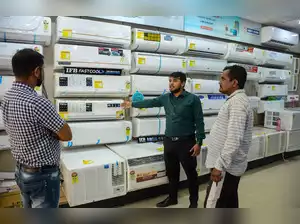
Manish Sharma, Chairman of Panasonic Life Solutions India, has called for a dedicated production-linked incentive (PLI) scheme focused on high-value components within the air conditioning segment—specifically compressors and motors. Speaking from Jhajjar, Sharma emphasized that such a move is crucial for strengthening domestic manufacturing and enhancing India’s position in global supply chains.
Sharma’s remarks align with the broader industry demand for more tailored incentives to spur innovation and investment in key component segments. “A separate PLI for the air conditioner ecosystem, especially compressors and motors, is the need of the hour,” Sharma stated.
His comments come in the wake of the central government’s recent announcement of a PLI scheme for passive or non-semiconductor electronics components. Approved on March 28, the scheme comes with an outlay of ₹22,919 crore and aims to boost the domestic manufacturing of components such as resistors, capacitors, inductors, and printed circuit boards (PCBs).
Welcoming the move, Sharma said the scheme would provide a much-needed push to the electronics sector. “It will encourage the industry and boost its competitiveness in the global markets,” he added, highlighting the importance of such initiatives in reducing import dependence and building a resilient local ecosystem.
The new PLI scheme marks the first focused effort by the government to promote the manufacturing of passive components, a critical foundation for various electronics products, including consumer appliances, automotive electronics, and communication devices.
Industry experts believe that introducing similar incentive programs for active components in the HVAC (Heating, Ventilation, and Air Conditioning) space—like compressors and motors—could significantly reduce the cost of production, create employment, and further accelerate the Make in India initiative.