English


IIMC launches first-ever Ph.D. programme

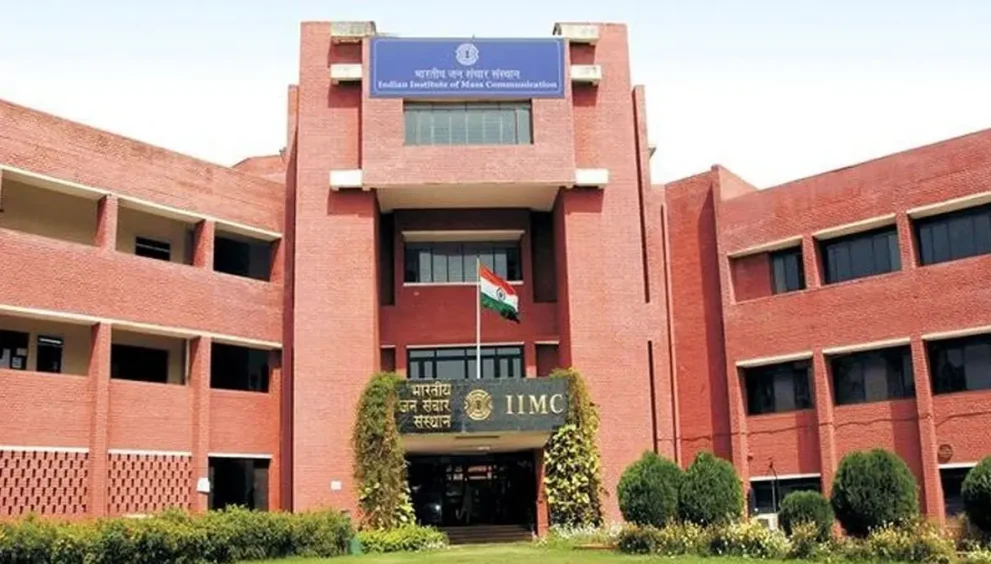
IIMC launches first-ever Ph.D. programme in media and communication studies
The Indian Institute of Mass Communication (IIMC), a deemed-to-be university, on January 1 formally launched its first-ever Ph.D. Programme, marking a significant academic milestone in its 60-year legacy.
Admissions to the doctoral programme for the academic year 2025–26 have begun, with the online application process for both full-time and part-time candidates open from January 1 to January 30, 2026.
Candidates with UGC-NET eligibility will be directly called for a personal interaction, while part-time applicants without UGC-NET qualification will be required to appear for an entrance examination scheduled on February 15, 2026. The list of selected candidates will be announced on February 23, followed by interviews starting from March 9. The admission process will conclude by March 27, and coursework will commence from April 1, 2026.
Speaking at the launch of the Ph.D. admission portal, IIMC Vice-Chancellor Dr Pragya Paliwal Gaur said the programme aims to make a meaningful contribution to research for a resurgent India. She emphasised the need for innovative, out-of-the-box research projects that benefit society and the nation at large.
To symbolise the beginning of the doctoral programme, the Vice-Chancellor planted a ‘Kovidara’ sapling, designated as the Gyan Vriksh (Knowledge Tree), at the New Delhi campus.
The Ph.D. Programme is designed to provide a rigorous academic environment, promote interdisciplinary scholarship and strengthen research in journalism, media and communication studies. It offers scholars the opportunity to undertake in-depth research in areas such as journalism, mass communication, digital media, strategic communication, media industry management, film studies, political communication, development communication, advertising and public relations.
According to IIMC, the programme aims to foster innovation and scholarly excellence, while contributing to the evolving body of knowledge in media and communication and allied disciplines.